
Understanding Sunscreen Types for Maximum Skin Protection
Mineral vs. Chemical Sunscreen: How to Choose the Best Protection for Your Skin
By Christa Eckman, My Ageless Lounge
Sunscreen is the single most important daily defense against UV damage and a key step in preventing premature aging and skin cancer. Knowing how mineral and chemical sunscreens differ helps you pick one that fits your skin, lifestyle, and any treatments you may be receiving. This article breaks down how each type works, the benefits they offer, and practical tips for choosing the right formula so you can protect your skin smartly and consistently.
What Are the Different Types of Sunscreens and Their Benefits?
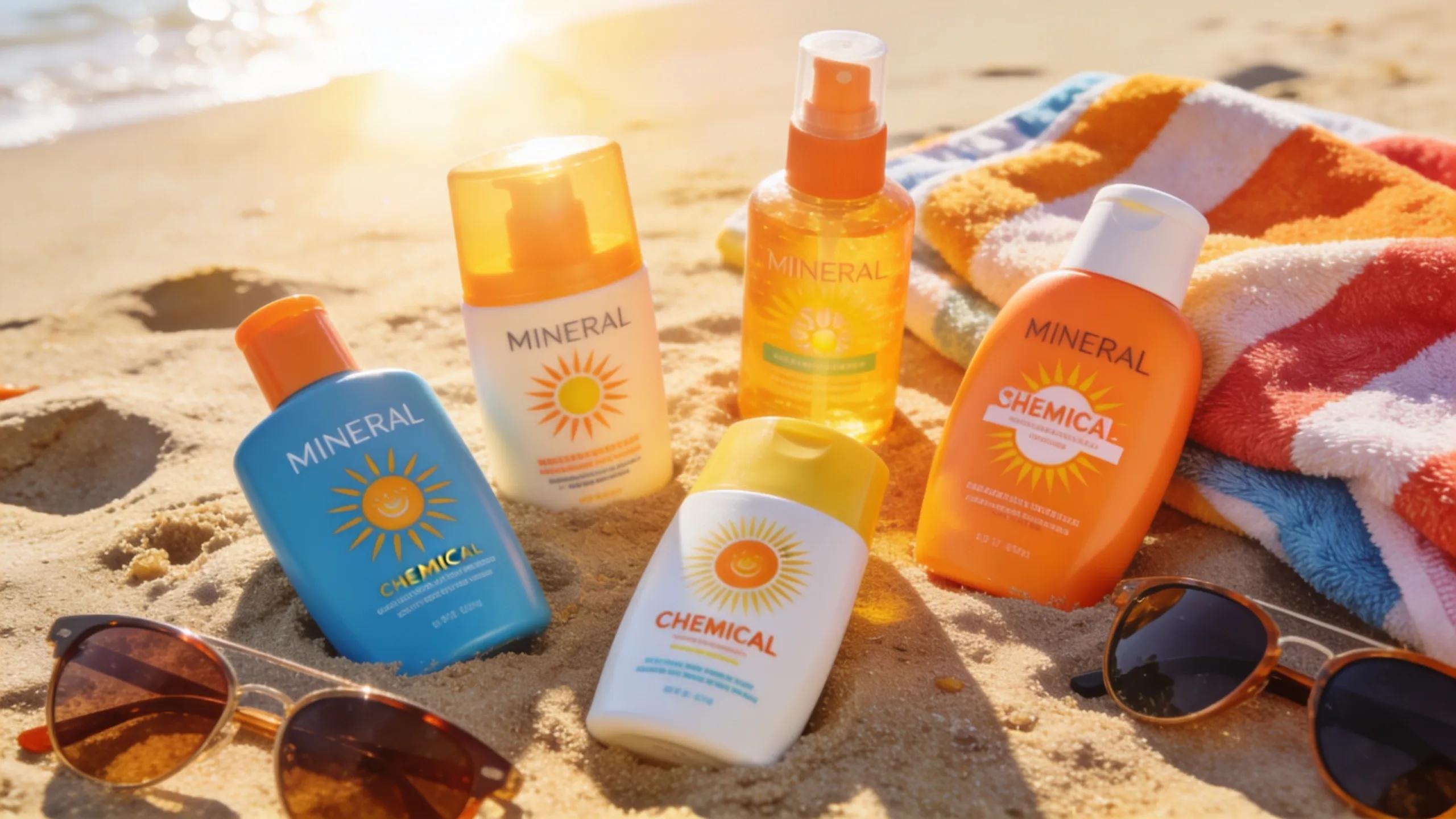
Sunscreens fall into two main categories: mineral (physical) and chemical (organic). Each uses a different method to shield skin from harmful rays, so understanding those differences will help you make the best choice for your needs.
How Do Mineral Sunscreens Protect Your Skin?
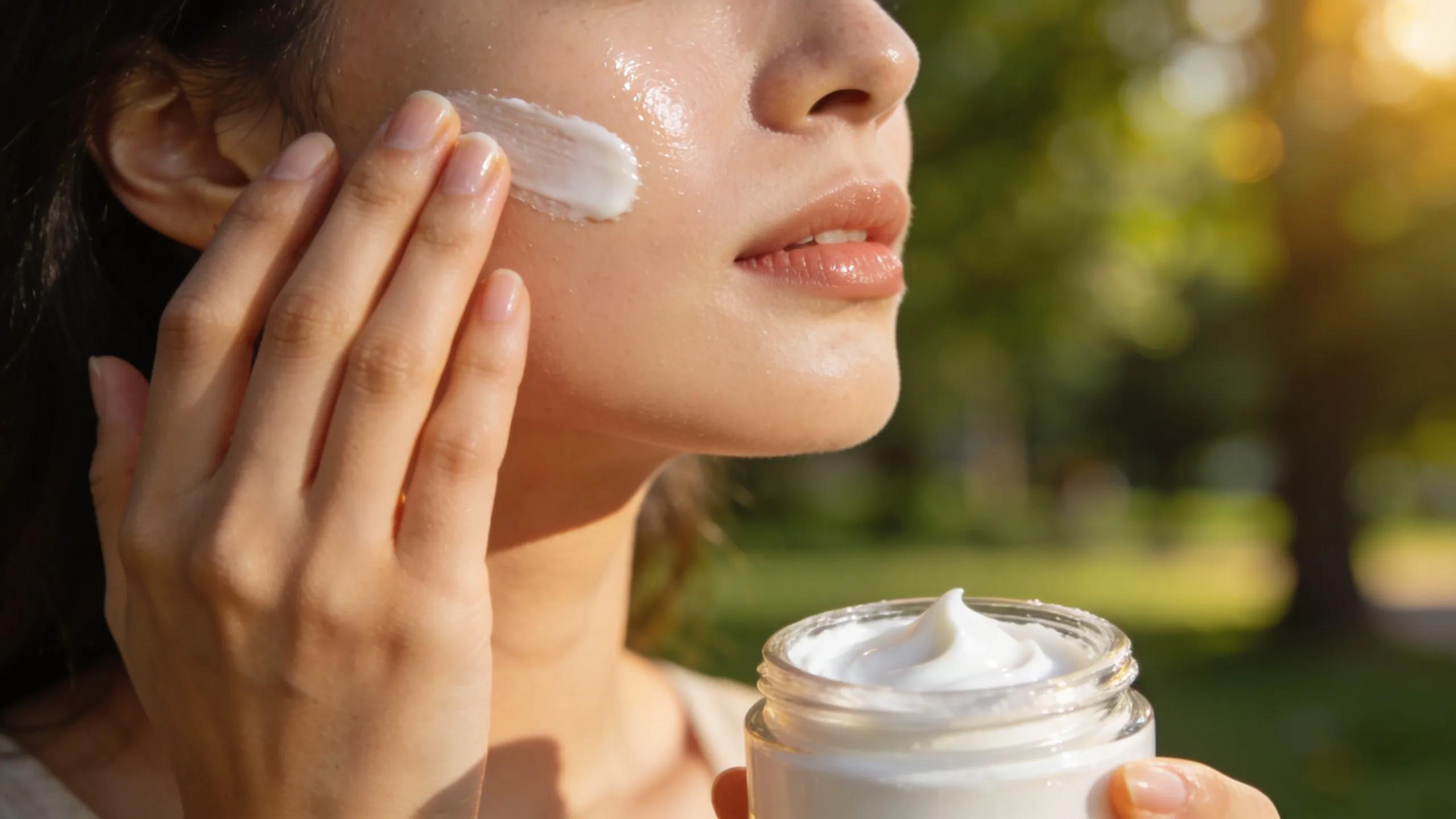
Mineral sunscreens rely on zinc oxide or titanium dioxide to form a physical barrier on the skin’s surface that reflects and scatters UVA and UVB rays. They work right away after application and tend to be less irritating, making them a strong choice for sensitive, rosacea-prone, or post-treatment skin.
What Are Chemical Sunscreens and How Do They Work?

Chemical sunscreens contain organic molecules like avobenzone and octisalate that absorb UV energy and release it as heat. They generally feel lighter on the skin and blend more transparently, which many people prefer for everyday use. Because some formulas can irritate reactive skin, choose products thoughtfully—and the team at My Ageless Lounge can help you find options that suit your tolerance and goals.
How to Choose the Right Sunscreen for Your Skin Type and Needs?
Picking the right sunscreen depends on your skin type, daily routine, and any specific concerns like sensitivity or aging. Consider how the product feels, whether it pairs well with your other skincare, and how you’ll use it day to day.
Which Sunscreen Is Best for Sensitive or Aging Skin?
For sensitive skin, mineral formulas—particularly those with zinc oxide—are often the gentlest and least likely to cause irritation. If your priorities include aging skin, look for sunscreens that combine broad-spectrum UV protection with antioxidant or moisturizing ingredients to support skin health while preventing photoaging. For tailored recommendations, consult the specialists at My Ageless Lounge.
What Does Broad Spectrum Sunscreen Mean and Why Is It Important?
Broad-spectrum sunscreens shield against both UVA (which drives aging and long-term skin damage) and UVB (which causes sunburn). Using a broad-spectrum product reduces cumulative sun damage and lowers the risk of skin cancer—so make it a non-negotiable part of your routine.
How Do Sunscreen Types Complement Anti-Aging and Skin Treatments?
Sunscreen is essential for maximizing the benefits of anti-aging treatments. The right protection prevents UV-related setbacks and helps maintain the improvements you achieve with professional procedures.
Why Is Sunscreen Essential During Non-Invasive Aesthetic Treatments?
After treatments like chemical peels or lasers, the skin’s barrier is more sensitive and vulnerable to UV injury. Dermatologists often recommend high-SPF mineral sunscreens post-procedure because they provide strong coverage with minimal irritation, helping protect healing skin.
How Can Combining Sunscreen with Professional Treatments Enhance Skin Protection?
Making sunscreen a daily habit amplifies the effects of in-clinic treatments. Consistent protection reduces photoaging and oxidative stress, supporting longer-lasting, more noticeable results from the therapies offered at My Ageless Lounge.
What Sun Protection Tips Are Recommended for Women in North Texas?
North Texas sees intense sun and high UV indexes for much of the year, so local climate should influence your sunscreen choices and habits.
How Does Regional Sun Exposure Affect Sunscreen Choice?
In sunny regions like North Texas, opt for a broad-spectrum SPF 30 or higher and choose water-resistant formulas if you’re active. Reapply frequently—especially after swimming, sweating, or towel-drying—to maintain protection.
What Are Best Practices for Applying and Reapplying Sunscreen Daily?
Follow these practical steps to get the most from your sunscreen:
- Apply generously: About an ounce (a shot-glass worth) covers the body; use a nickel-sized amount for the face.
- Reapply every two hours: More often if you’re swimming or sweating.
- Don’t forget ears and neck: These commonly missed spots show sun damage first—include them in every application.
Stick to these habits and pair sunscreen with shade, hats, and sunglasses to keep your skin healthy, protected, and looking its best.