Transform Your Shape: Body Sculpting Options Explained
Body Contouring: Non-Surgical Sculpting Options for Effective Fat Reduction and Skin Tightening
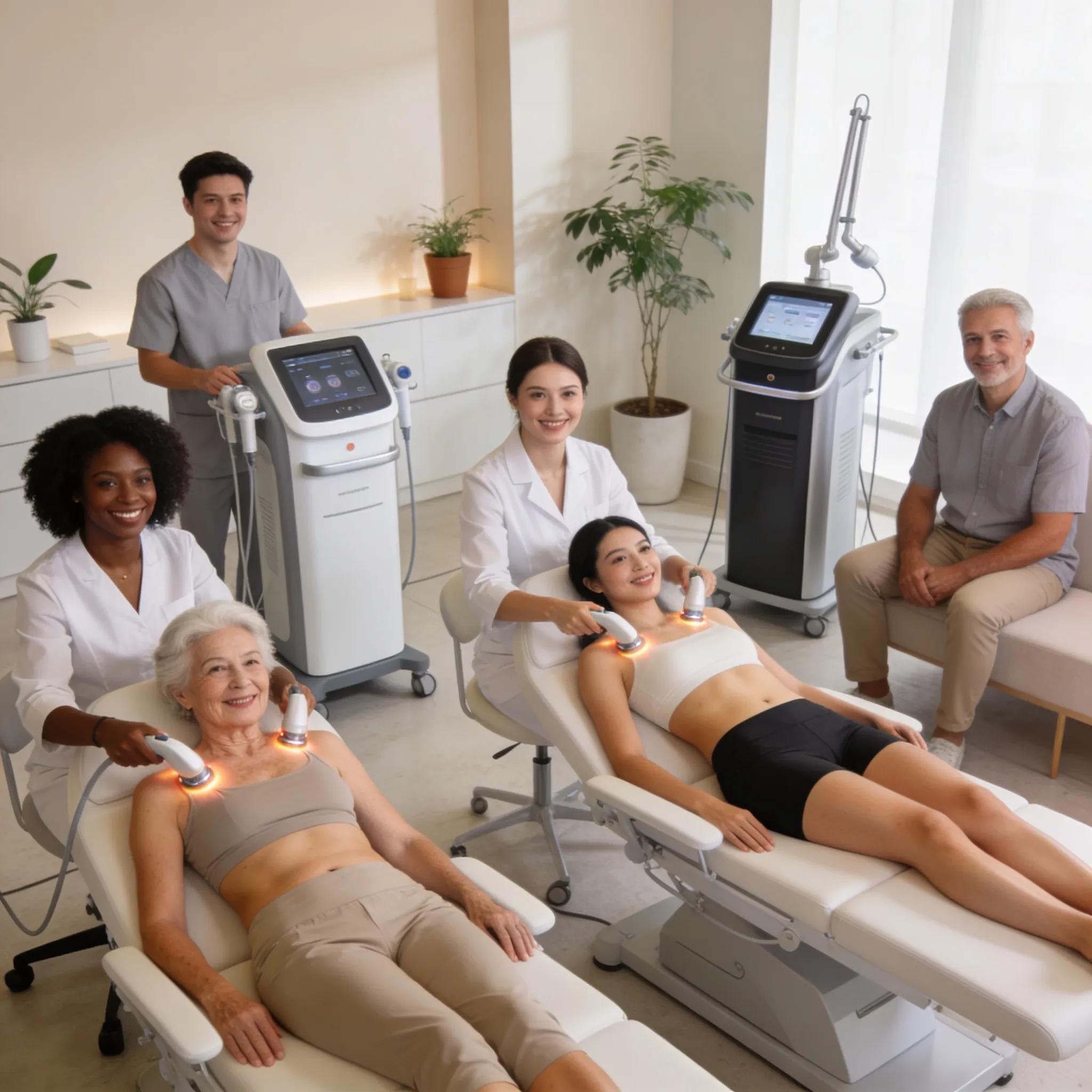
Body contouring has become a popular solution for individuals seeking to reshape their bodies without undergoing invasive surgical procedures. This approach encompasses a variety of non-surgical treatments tailored to reduce stubborn fat and tighten skin. Through advanced technologies, these methods offer an opportunity to enhance one’s silhouette with minimal downtime. This article will explore key types of non-surgical body contouring treatments, their mechanisms, expected outcomes, eligibility, and safety considerations.
The following sections will delve into specific treatments such as cryolipolysis, laser fat reduction, radiofrequency sculpting, and ultrasound therapy. We will also discuss who is suitable for these methods, their associated benefits and limitations, and how treatment costs vary among options available today.
What Are the Main Types of Non-Surgical Body Contouring Treatments?
Non-surgical body contouring treatments include several innovative techniques designed to sculpt the body by removing fat and tightening skin without the need for invasive surgery. These methods primarily rely on technologies that target fat cells or promote collagen production. The main types of treatments include cryolipolysis, laser fat reduction, radiofrequency treatments, and ultrasound therapy.
How Does Cryolipolysis Use Fat Freezing Technology to Reduce Stubborn Fat?
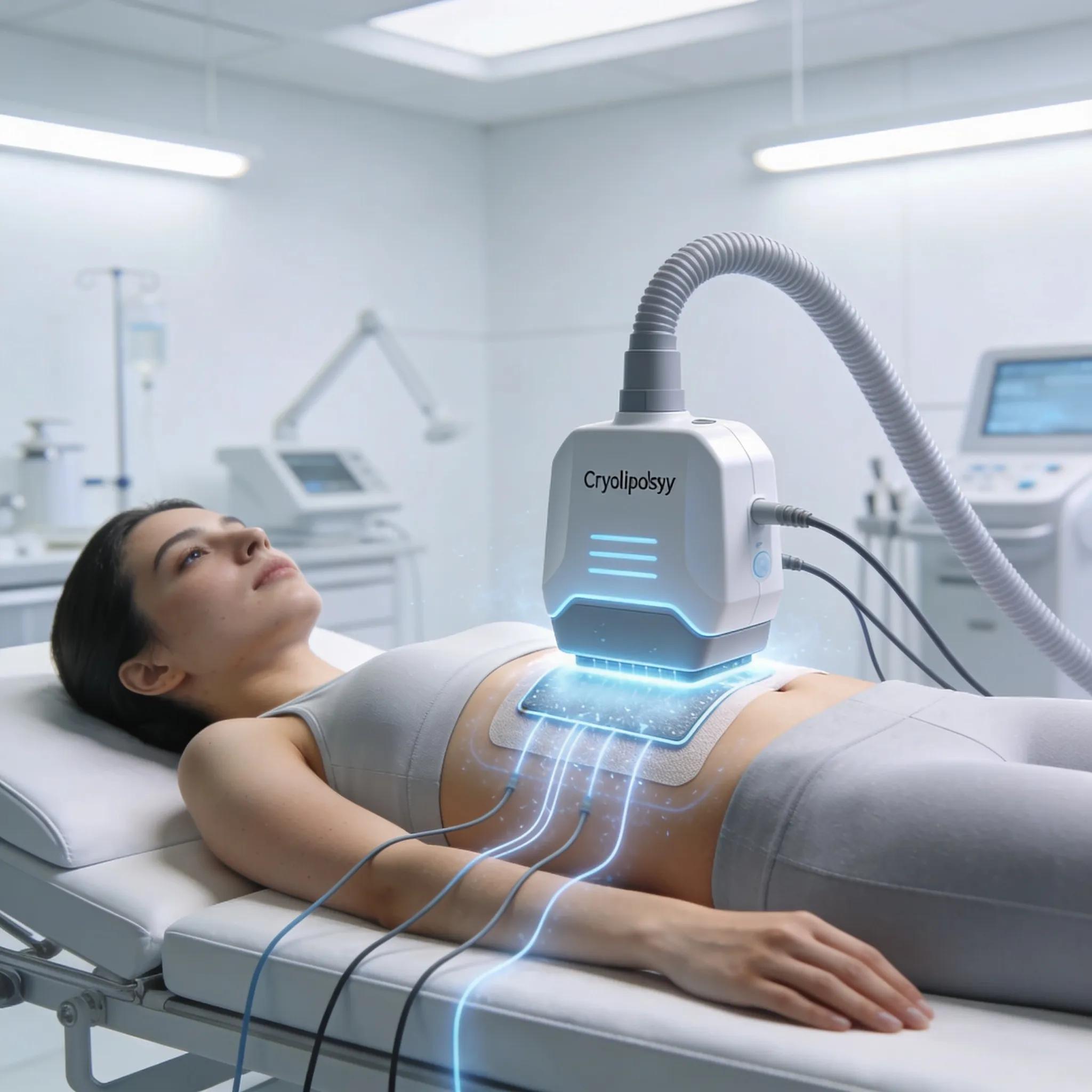
Cryolipolysis, commonly known as fat freezing, selectively targets and cools fat cells to induce apoptosis, allowing the body to naturally eliminate these dead cells. This painless process primarily focuses on specific areas, such as the abdomen, thighs, and back. Typical outcomes include a noticeable reduction in fat layers, often visible as soon as three weeks post-treatment, with optimal results typically seen after two to four months.
For more detailed information on its mechanism, indications, and safety, a comprehensive overview on cryolipolysis is available.
Cryolipolysis: Mechanism, Outcomes, and Safety Overview
This paper aims to provide a comprehensive overview of cryolipolysis, including its mechanism of action, indications, contraindications, adverse effects, results and outcomes, safety Cryolipolysis: A promising nonsurgical technique for localized fat reduction, 2023
What Are Laser Fat Reduction Treatments and Their Typical Applications?
Laser fat reduction employs controlled laser energy to heat and dissolve stubborn fat cells without harming the surrounding tissues. This method is versatile, commonly applied to areas like the abdomen, love handles, thighs, and even the chin. Patients can expect to see subtle changes in contour within a few weeks, with continued improvements occurring over several months as the body metabolizes the disrupted fat cells.
How Does Radiofrequency Body Sculpting Promote Skin Tightening and Fat Reduction?
Radiofrequency body sculpting utilizes radiofrequency energy to stimulate collagen production and tighten the skin while simultaneously reducing fat deposits. This technique promotes skin elasticity and firmness, making it an effective choice for individuals aiming for both fat reduction and skin rejuvenation.
What Is the Science Behind Radiofrequency Technology in Body Sculpting?
The science of radiofrequency technology relies on the ability of specific wavelengths to penetrate the skin layers, producing thermal energy that affects fat cells. This process leads to the breakdown of adipose tissue while stimulating collagen and elastin production. Studies have shown that radiofrequency treatments can enhance skin laxity significantly, especially on the abdomen, arms, and thighs.
Further research highlights the role of RF thermal stimulation in promoting new collagen and reducing fat.
Noninvasive Radiofrequency for Skin Tightening and Fat Reduction
RF thermal stimulation is believed to result in a microinflammatory process that promotes new collagen.
By manipulating skin cooling, RF can also be used for heating and reduction of Noninvasive radio frequency for skin tightening and body contouring, 2013
Which Body Areas Are Best Treated with Radiofrequency Sculpting?
Radiofrequency treatments are particularly effective for areas with loose skin and localized fat pockets. Commonly treated regions include the abdomen, inner thighs, bra line, and arms. Patients can expect improvements in skin texture, firmness, and a reduction in the appearance of sagging skin.
What Is Ultrasound Fat Reduction Therapy and How Effective Is It?
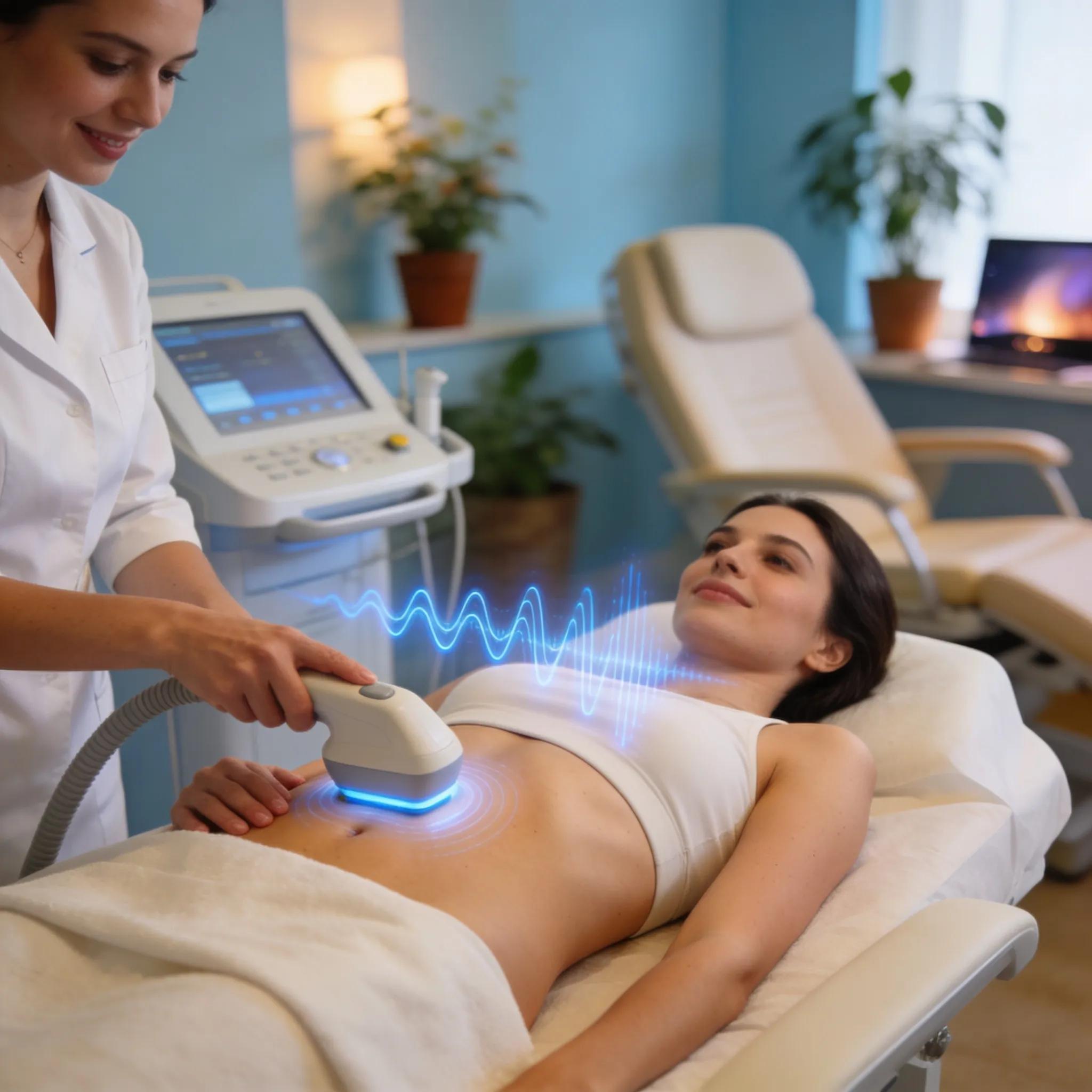
Ultrasound fat reduction therapy employs high-frequency sound waves to target fat cells, causing them to implode and dissolve without affecting surrounding tissues. This technique is increasingly popular due to its non-invasiveness and effective results.
How Does Ultrasound Therapy Break Down Fat Cells?
Ultrasound therapy works by emitting sound waves that create vibrations within fat cells. This agitation causes fat to break down and get flushed from the body through natural metabolic processes. Most users experience minimal discomfort, often likened to a gentle massage during treatment sessions.
What Are the Expected Outcomes and Treatment Durations for Ultrasound Sculpting?
Typically, patients undergoing ultrasound fat reduction will begin to see results within four to six weeks post-treatment, with full effects continuing to develop up to three months. Most treatment sessions last between 30 to 60 minutes, depending on the area being treated, and multiple sessions may be required for optimal results.
Who Is Eligible for Non-Invasive Fat Removal and What Are the Key Safety Considerations?
Non-invasive fat removal treatments are generally suitable for adults who are near their ideal body weight but have specific target areas of stubborn fat that they would like to address. Here are important eligibility criteria and safety considerations:
What Are Common Side Effects and Risks Associated with These Procedures?
While non-surgical body contouring treatments are designed to be safe, potential side effects may include temporary swelling, redness, or tenderness at the treatment site. Serious complications are rare, but it is crucial to undergo these procedures under the supervision of qualified professionals to minimize risks.
How Long Is the Typical Recovery Time After Non-Surgical Sculpting?
Most patients experience little to no downtime with non-invasive body contouring. Recovery time can vary from one treatment type to another, but generally, individuals can resume their regular activities immediately after each session, making these options particularly attractive for busy individuals.
What Are the Benefits, Limitations, and Longevity of Results from Non-Surgical Body Contouring?
Non-surgical body contouring provides a balance of effectiveness and convenience. These treatments are often embraced for their quick recovery times and minimal discomfort. However, it is essential to weigh both benefits and limitations to make an informed decision.
Are Body Contouring Results Permanent and How Long Do They Last?
The results from non-surgical body contouring can be long-lasting, but they are not permanent. Maintaining a healthy lifestyle, including diet and exercise, significantly influences the longevity of results. Typically, patients can enjoy notable improvements for several months to a couple of years, depending on individual factors and body response.
What Advantages Do Non-Surgical Treatments Offer Compared to Traditional Surgery?
Compared to traditional surgical methods, non-surgical treatments offer several advantages:
- Less Recovery Time: Patients can resume normal activities almost immediately.
- Lower Risk of Complications: As these procedures are non-invasive, they generally carry fewer risks.
- Customization: Treatments can often be tailored to individual patient needs with immediate feedback on results.
Following the benefits of these non-invasive methods, many individuals are choosing them over more invasive surgical options like liposuction or tummy tucks.
How Do Treatment Costs Vary Among Different Non-Surgical Body Sculpting Options?
The cost of non-surgical body contouring treatments can fluctuate significantly based on the technique used, sessions required, and geographic location.
What Factors Influence Pricing of Non-Invasive Fat Removal Procedures?
Various factors can affect the pricing of treatments, including the technology used, the expertise of the clinician, and the complexity of the treatment plan. Typically, individual sessions may range from $300 to $4,500, depending on the procedure and treatment area.
Are There Financing Options or Packages Available for Multiple Treatment Areas?
Many providers offer financing plans or package deals, making it easier for patients to manage costs for multiple treatment areas. It’s advisable to inquire about promotional packages during consultations to maximize treatment benefits and affordability.