
Effective Skin Tightening Solutions: Non-Surgical Options
Advanced Skin Tightening: Top Non-Surgical Treatments and Patient Guidance
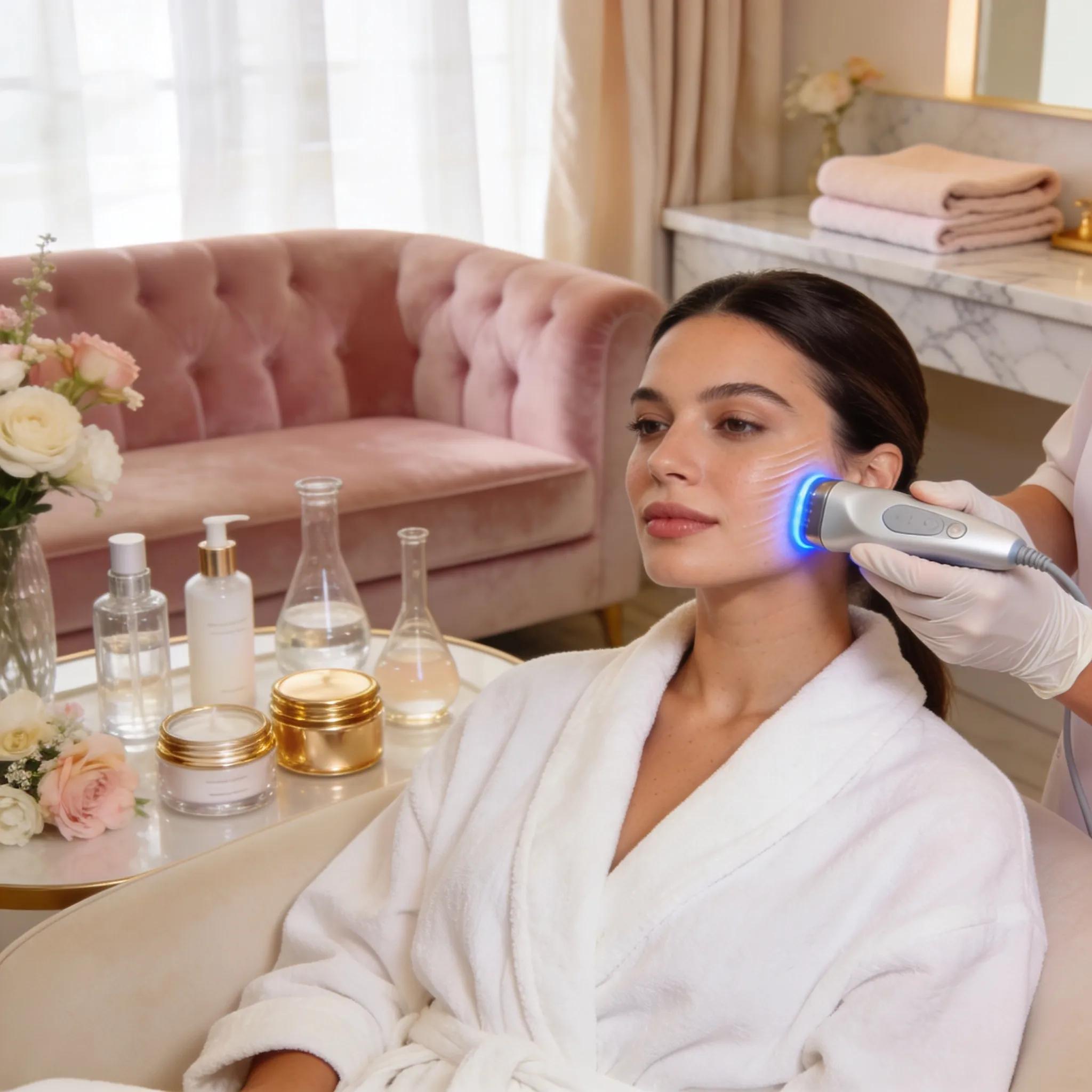
If you want a firmer, refreshed look without surgery, non-surgical skin tightening has become a reliable option. Today’s technologies offer different ways to lift and firm skin with minimal downtime. This guide walks through the most common approaches, explains the science behind them, and highlights what to expect—how they stimulate collagen, safety considerations, costs, and typical treatment timelines—so you can make a confident choice about what’s right for you.
What Are Non-Surgical Skin Tightening Options and How Do They Work?
Non-surgical skin tightening covers a range of treatments that improve firmness and elasticity without incisions. Most use targeted energy—like heat or focused sound—to encourage the skin’s natural repair processes and boost collagen production. Over weeks to months, this remodeling often produces a gradual tightening and smoother texture, giving a more youthful appearance without the risks and recovery associated with surgery.
For a deeper look at how these approaches work and where they fit best, review expert analyses and clinical overviews.
Non-Surgical Skin Tightening: Mechanisms, Benefits, and Patient Selection
Non-surgical approaches can effectively address mild to moderate skin laxity while offering less downtime and lower risk than surgery. This review summarizes the main interventions—ablative and non-ablative lasers, radiofrequency, and microfocused ultrasound—describing their physiologic effects, clinical benefits, and possible side effects. Careful patient selection and clear expectation-setting are essential to achieving satisfactory outcomes. Non-surgical skin tightening, 2021
How Does Radiofrequency Skin Tightening Stimulate Collagen Production?
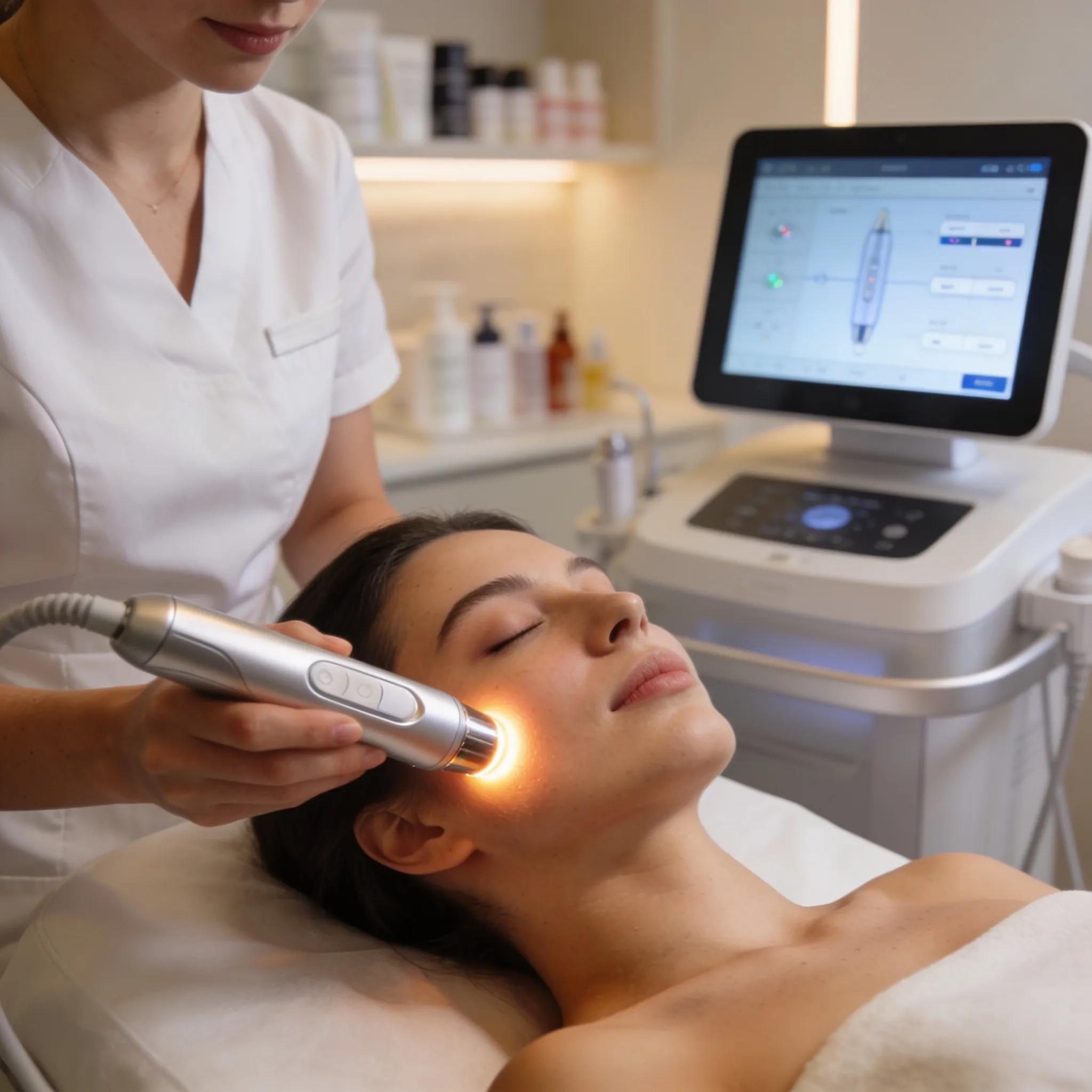
Radiofrequency (RF) treatments heat the dermal layer in a controlled way, which triggers the body’s collagen repair response. That heat encourages new collagen formation and remodeling of existing fibers, improving skin tone and firmness. Many people notice texture and tightness improvements after a series of sessions; additional treatments can help build on initial gains and maximize long-term collagen remodeling.
What Is Ultrasound Skin Tightening and Its Targeted Skin Benefits?
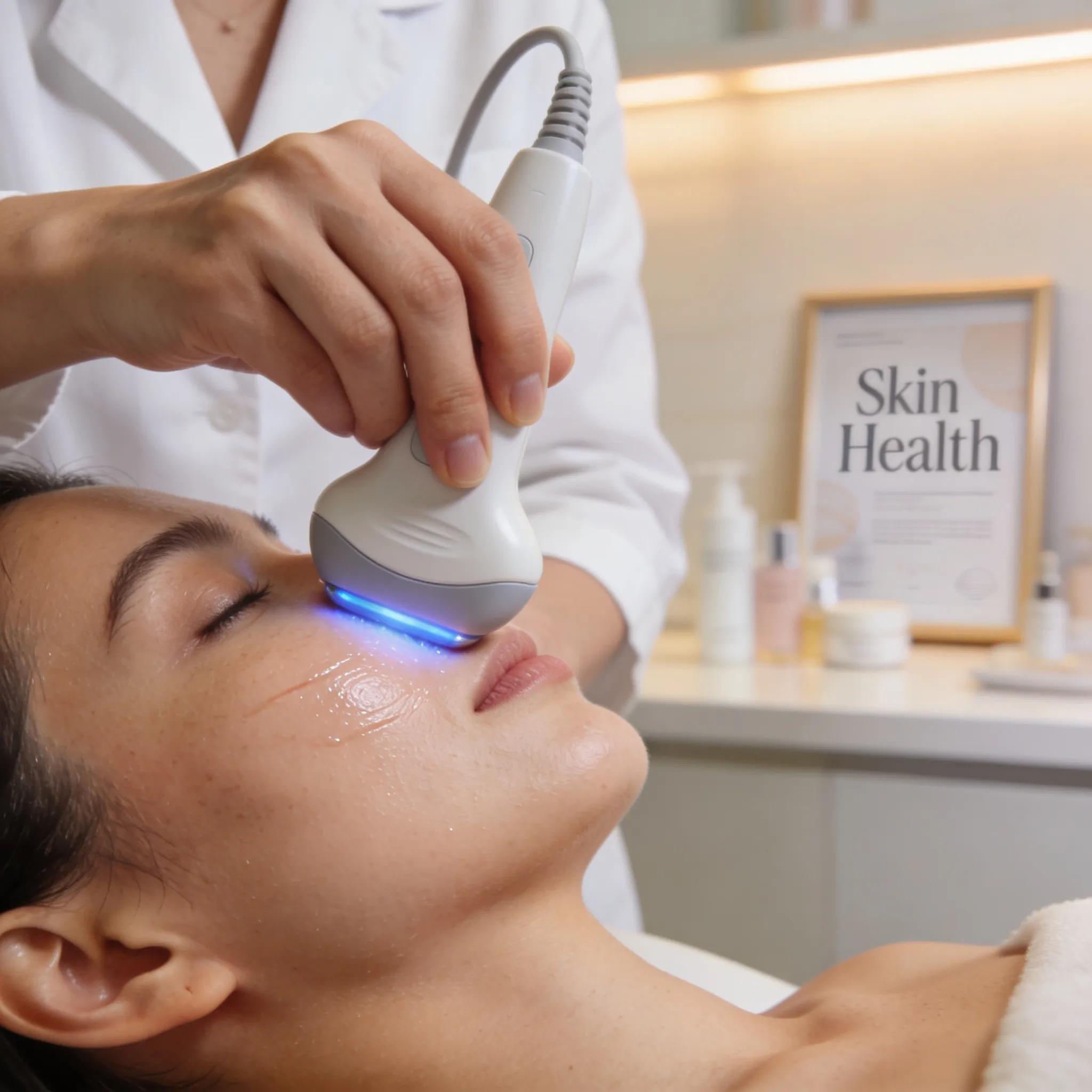
Ultrasound skin tightening uses focused sound waves to reach deeper tissue layers, stimulating collagen where it’s most effective for lifting and contouring. Because the energy can be delivered beneath the surface, ultrasound treatments produce a lifting effect without cuts. Many patients appreciate that ultrasound improves firmness and texture and works across a range of skin types, making it a versatile option for targeted areas.
For clinical details on how RF and ultrasound drive collagen remodeling and deliver clinical benefit, see peer-reviewed reviews and technology summaries.
Radiofrequency and Ultrasound for Non-Surgical Skin Tightening
Radiofrequency (RF) and intense focused ultrasound (IFUS) are commonly used to treat facial and neck laxity. Both non-ablative RF and ultrasound create heat-related tissue responses that promote collagen remodeling and other structural changes. While these treatments aren’t substitutes for surgery in advanced cases, studies report high patient satisfaction across many cohorts. This article reviews current RF and IFUS technologies and the clinical evidence on their safety and effectiveness. Skin tightening technologies, 2014
Which Laser Skin Tightening Procedures Deliver Effective Non-Invasive Results?
Laser skin tightening is another effective, non-surgical route. Different laser systems target deeper skin layers to trigger collagen production while minimizing surface damage. Each laser type produces distinct effects and can be matched to the patient’s concerns and tolerance for downtime.
What Are the Main Types of Laser Treatments for Skin Laxity?
Laser options generally fall into ablative and non-ablative categories. Ablative lasers, like CO2, remove the top skin layers to drive robust collagen remodeling and more dramatic results—at the cost of longer recovery. Non-ablative lasers, such as Nd:YAG, deliver energy beneath the surface without removing the epidermis, offering gentler results with less downtime. Treatment choice depends on goals, skin type, and how much recovery time a patient can accept.
How Do Different Laser Treatments Compare in Safety and Efficacy?
Ablative lasers typically produce faster, more noticeable changes but carry higher risks of redness, swelling, and longer healing periods. Non-ablative lasers are safer for many skin types and usually involve shorter recovery, though they may require more sessions to reach the same level of improvement. Ultimately, the best option balances desired results, safety, and recovery expectations.
How Does Collagen Stimulation Improve Skin Firmness in Non-Surgical Treatments?
Collagen is the structural protein that keeps skin firm and resilient. As production declines with age, skin loses support and begins to sag. Non-surgical treatments aim to reactivate collagen synthesis, rebuilding the skin’s framework and restoring a firmer, smoother appearance over time.
What Role Does Collagen Play in Skin Tightening Outcomes?
Collagen provides strength and elasticity to the skin. When treatments stimulate new collagen formation and reorganize existing fibers, the skin regains some of its structural integrity—reducing laxity and improving contour. Long-term benefits depend on the patient’s biology and maintenance strategy.
How Do Advanced Technologies Enhance Natural Collagen Production?
Newer modalities—like fractional lasers and high-intensity focused ultrasound (HIFU)—target both surface and deeper layers to promote collagen synthesis efficiently and safely. These technologies refine texture and firmness while addressing underlying mechanisms of skin aging, often producing durable improvements when combined with appropriate aftercare.
What Are the Safety Considerations, Side Effects, and Patient Candidacy Criteria?
Safety is a top priority with any skin-tightening treatment. Each method has specific suitability criteria, potential side effects, and recovery expectations. Understanding these elements helps patients choose the right treatment and reduces the chance of complications.
Who Is an Ideal Candidate for Non-Invasive Skin Tightening Procedures?
Ideal candidates usually have mild to moderate skin laxity, are in good overall health, and prefer non-surgical options. People with active skin infections, certain autoimmune conditions, or other medical concerns should consult with their provider before proceeding. A thorough consultation ensures the chosen treatment matches the patient’s needs and safety profile.
What Are Common Side Effects and How Are They Managed?
Typical side effects include temporary redness, swelling, and mild tenderness at the treatment site. These reactions usually resolve quickly. Providers often recommend soothing topical products, cold compresses, and gentle skin care post-procedure to ease discomfort and support healing. Any prolonged or unusual symptoms should be reported to the clinician immediately.
How Do Costs, Treatment Frequency, and Result Timelines Compare Across Options?
Costs and treatment schedules vary by technology, treatment area, and geographic location. Knowing the typical price range and likely number of sessions helps set realistic expectations and plan financially for the desired outcome.
What Is the Typical Cost Range for Radiofrequency, Ultrasound, and Laser Treatments?
Prices differ widely, but typical ranges are: radiofrequency treatments $200–$2,000 per session, ultrasound treatments $300–$3,500 per session, and laser treatments in a comparable range depending on the device and provider expertise. Location and clinic reputation also influence cost.
How Many Sessions Are Needed and When Are Results Visible?
Most patients need multiple sessions—commonly 3 to 6 spaced a few weeks apart—to achieve fuller results. Initial improvements can appear within weeks, with continued tightening and texture changes developing over several months as collagen matures.
What Are Emerging Trends and Combined Approaches in Non-Surgical Skin Tightening?
The landscape continues to evolve, with new combinations and technologies improving outcomes and patient experience. Staying informed about innovations can help you choose the most appropriate, up-to-date options.
How Are Combined Radiofrequency and Ultrasound Treatments Improving Results?
Combining RF and ultrasound can produce complementary effects—enhancing tightening while potentially shortening recovery. This tailored, multi-modality approach lets practitioners address different tissue depths and individual concerns for more consistent, satisfying results.
What Technological Advances from 2024 to 2026 Are Shaping Patient Preferences?
Recent advances emphasize minimally invasive pairings—such as injectables used alongside energy-based devices—to speed recovery and boost satisfaction. As devices become more precise and protocols more personalized, patients are seeing quicker turnaround and more natural-looking improvements. Keeping up with these trends helps you discuss modern options with your provider and choose treatments that align with your goals.